
Begin Your Journey
Look like the person you know you are. Contact our offices today to start exploring your options.
Non-Surgical Cosmetic Procedures in Austin, TX
COMPREHENSIVE TREATMENT PLANS
Not every cosmetic concern has a non-surgical solution, but many of them now do. Dr. Apostolakis knows that most patients want to avoid surgery if possible, and provides less invasive options to produce remarkable results.
Our cosmetic team offers the following non-surgical treatment options:
- Dysport: Dysport is one of our most popular non-surgical treatment options. Just like Botox, after we see the results of Dysport we can tweak the dosage on subsequent treatments.
- Botox: Compared to Dysport, the differences in improvement are very subtle. Both treatments are a great way to eliminate wrinkles and fine lines by relaxing the muscles in your face.
- Wrinkle Fillers: We offer a range of non-surgical wrinkle fillers, including Juvederm, Restylane, Radiesse, and Sculptra.
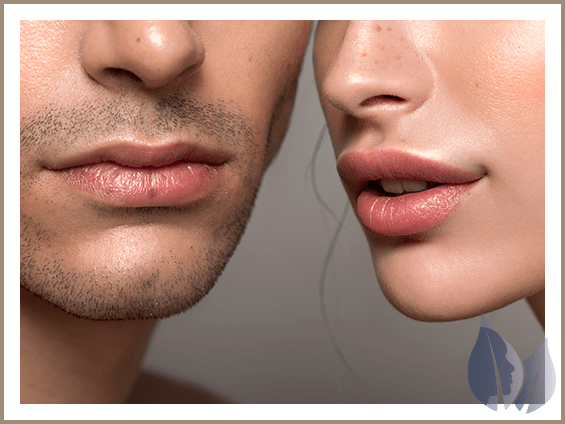
- Lip Enhancement: Achieve fuller, voluminous lips with our injectable fillers for advanced lip augmentation results.
- Laser Skin Resurfacing: Improve the look of your wrinkles, aging, scarring, and dull skin with state-of-the-art laser technology.
- Matrix Laser: This CO2 resurfacing laser is strong enough to remove dull complexion and promote collagen in the dermis for youthful skin.
All Non-Surgical Services
Your Non-Invasive Treatment Options
TRUSTED SOLUTIONS FOR YOUR COSMETIC NEEDS
Not every cosmetic concern has a non-surgical solution, but many of them now do. Dr. Apostolakis knows that most patients want to avoid surgery if they can, and regularly provide less invasive options that can still produce remarkable results.
Dr. Apostolakis is a board-certified facial, head, and neck surgeon who knows which patients are perfect candidates for these procedures. Our expert team is prepared to walk you through every step of these options and ensure that you are left with the lasting, elegant results you deserve.
FREQUENTLY ASKED QUESTIONS
What non-surgical treatments are available?
Who is a good candidate for non-surgical facial rejuvenation?
What concerns can neuromodulators (Botox/Dysport) treat?
Where are fillers commonly used and what do they do?
How do laser resurfacing and chemical peels differ?
Can non-surgical treatments tighten the jawline or neck?
How long do results last?
What is the downtime like?
Is it safe and are there risks?
Can treatments be combined in the same plan?
How do I know which treatment is right for me?
Do you offer skincare guidance to maintain results?
Real Patients, Real Testimonials
“Great Experience doing Rhinoplasty here with Dr. A and his team. Dr. Apostolakis and his team were a great choice. They were professional and very thorough in taking care of these matters.”
“I could not be happier with my results! Dr. A is a skilled surgeon leaving me with a youthful, yet natural look. The entire experience exceeded my expectations.”
“Dr. A and his staff are awesome!! Such a beautiful office in a nice location. I have had a few procedures done there now and have one coming up in a few days and couldn’t be happier. Dr. A is a highly skilled surgeon and I would recommend him to anyo”